
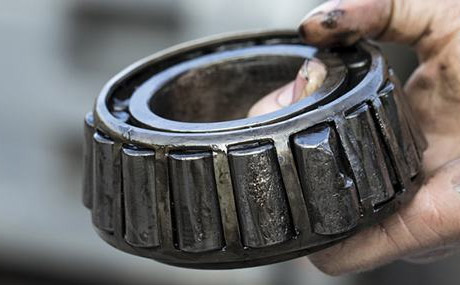
Transmissions noise can indicate several underlying issues, and understanding these causes allows drivers to act quickly before serious damage develops. First, worn or damaged internal components, including gears, bearings, synchronizers, or input shafts, often generate rattling, grinding, or whining noises during everyday driving. As these parts deteriorate over time, friction and vibration increase, making the sounds louder and more consistent. Additionally, low or contaminated transmission fluid can intensify metal-to-metal contact, creating unpleasant and sometimes alarming noises. Therefore, checking fluid levels regularly and replacing old or dirty fluid promptly remains essential for smooth, quiet operation.
Moreover, loose or misaligned components within the transmission assembly frequently contribute to unusual noises. For example, improperly secured bolts, worn mounts, or misaligned housings can cause vibrations, clunking, or knocking sounds during gear changes or acceleration. Addressing these issues early can prevent further misalignment and expensive repairs later.
Problems with the torque converter also commonly lead to noticeable noises. When bearings wear down or the clutch becomes damaged, the torque converter may emit whining or grinding sounds, especially when the vehicle engages gears. Identifying torque converter problems early often saves time and prevents additional wear on connected components.
Furthermore, external components like the driveshaft, differential, or universal joints can produce noises that mimic transmission issues. For instance, a worn U-joint can create rhythmic clunking, while differential problems might result in humming or whining sounds. Therefore, inspecting both internal and external systems ensures a thorough diagnosis and avoids unnecessary repairs.
Regular maintenance plays a critical role in reducing transmission noise. By performing scheduled fluid checks, replacing contaminated fluid, tightening loose components, and addressing problems immediately, drivers extend transmission life and maintain smooth performance. Ultimately, identifying and resolving noisy transmission causes early improves reliability, enhances driving comfort, and prevents costly long-term damage. Because of this, paying attention to unusual sounds always pays off. Got transmission noise, then Contact us today 585.663.2222